Transform Your Living Space: Creative Design Concepts for Transforming Everyday Spaces in Your Home
Reimagining a home interior demands more than simple visual updates; it demands careful consideration and creative solutions. Shared spaces, like entryways and living rooms, are fundamental to cultivating a warm and welcoming ambiance. By implementing thoughtful arrangements and efficient storage systems, one can improve both usability and visual appeal. Discovering diverse design approaches opens doors to unique self-expression. What elements truly make a space feel like home? The answer may be simpler than expected.
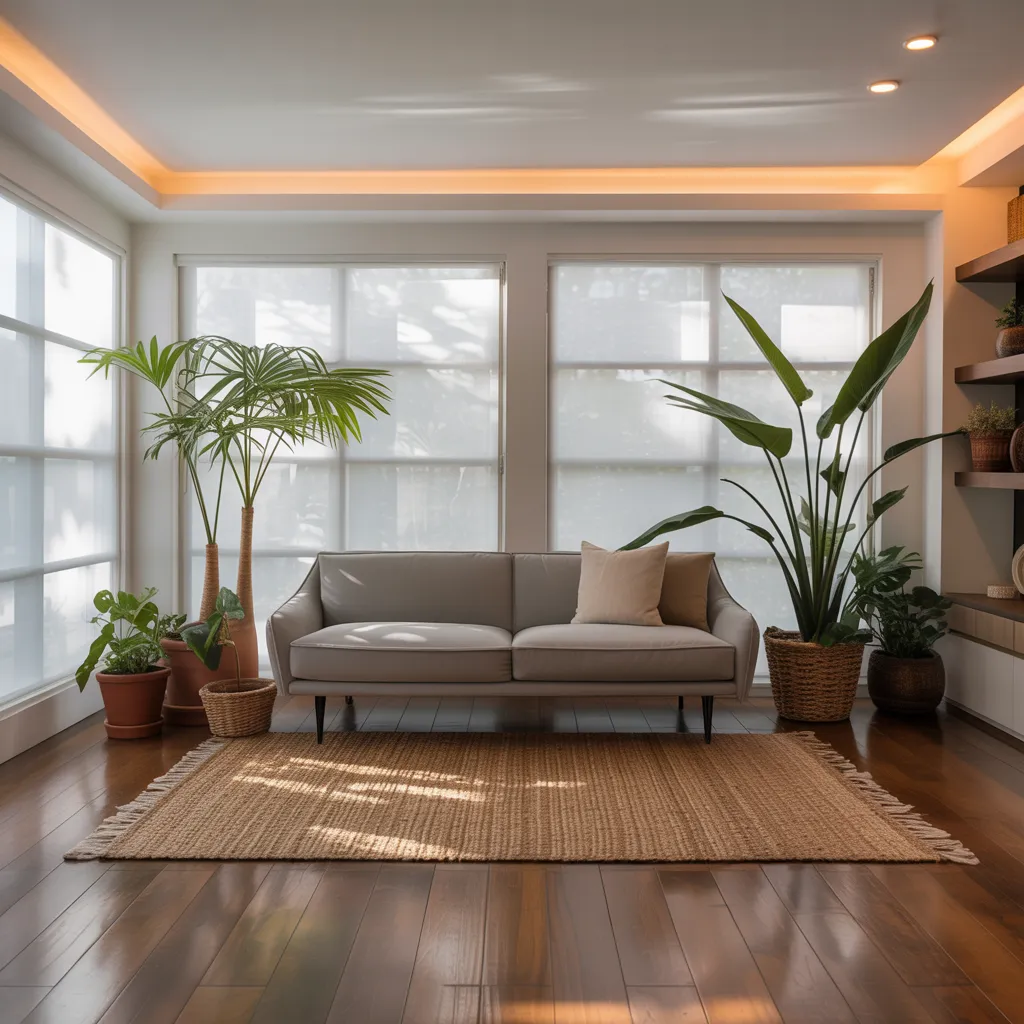
Craft a Welcoming Entryway: Making the Most of First Impressions
In what ways can a thoughtfully designed entryway elevate a home's ambiance? A thoughtfully curated entryway serves as the first point make a move of contact, setting the tone for the entire residence. It welcomes visitors while showcasing the homeowner's personality and aesthetic sensibilities. Critical factors including lighting, hues, and decor pieces contribute significantly to establishing a warm and welcoming environment. Warm, ambient lighting can soften harsh edges, while a fresh coat of paint in inviting hues enhances visual appeal.
Including useful items, such as a tasteful bench or well-arranged storage, adds practicality without sacrificing design. Decorative elements, like artwork or a striking mirror, can further enrich the space, rendering it both practical and visually appealing. By focusing on these aspects, an entryway can be reimagined as a warm, welcoming gateway that creates an unforgettable initial impact, seamlessly bridging the outside world with the comfort of home.
Refresh Your Living Room: Simple Design Ideas
In revitalizing a living room, optimizing furniture arrangement plays an essential role in enhancing both functionality and aesthetics. By thoughtfully placing seating and tables, one can establish a warmer and more welcoming environment. Furthermore, incorporating versatile furniture items can optimize available space while enhancing the room's natural flow.
Enhance Furniture Placement
A strategically designed furniture arrangement can dramatically transform a living room, elevating both its usability and decorative appeal. To create a welcoming environment, one should consider the flow of movement within the space. Positioning bulkier items, like sofas, along walls can expand the sense of space, while petite chairs and accent tables can form comfortable social zones. Guaranteeing that passages stay clear and navigable facilitates effortless circulation. Additionally, incorporating area rugs can serve to distinguish various sections, giving the room structure. It is crucial to preserve harmony between aesthetics and function; preventing clutter ensures every item can be admired. By intentionally organizing household items, one can create a harmonious environment that invites relaxation and social interaction.
Include Versatile Multi-Functional Items
Elevating a living room's practicality can be achieved by incorporating versatile pieces that serve numerous purposes. For illustration, a stylish ottoman can act as a coffee table and supply hidden storage for blankets or games. Sofa beds offer a cozy seating option while becoming a guest bed when necessary. Nesting tables are one more excellent choice, allowing flexibility in surface area for beverages or refreshments without taking up excessive space. Additionally, wall-mounted shelves can showcase decor while delivering extra storage without congesting the floor. By selecting versatile furniture, homeowners can develop a adaptable environment that suits their lifestyle, making the living room both welcoming and functional. These elements not only optimize space but also enhance the overall aesthetic.
Dining Area Makeover: Chic and Purposeful Design Concepts
Redesigning a dining space can substantially boost a home's visual appeal and practicality. A expertly crafted dining environment not only acts as a gathering spot but also improves the mood of the household. To create a polished appearance, adopt a cohesive color palette that coordinates with existing home elements, incorporating neutral hues highlighted by bold colors. Incorporating a statement dining table, such as a reclaimed wood piece or a modern glass construction, can work as a design highlight.
Practical layouts may include booth-style seating, which makes the most of the space while providing a cozy feel. Multi-functional furniture, like adjustable tables, can cater to different numbers of diners without giving up visual appeal. Lighting is a key factor; decorative pendant lights or a statement chandelier can establish a cozy ambiance. Lastly, incorporating personalized elements such as artwork or centerpieces can render the space warm and welcoming, so that the dining area transforms into a beloved corner of the household.
Home Office Setup Tips for Boosting Productivity
Building an effective home office calls for thorough assessment of essential factors that impact productivity. Selecting ergonomically sound pieces, optimizing lighting, and customizing the office space can substantially enhance concentration and comfort. These design tips assist in shaping a home office into a comfortable and purposeful space.
Ergonomic Furniture Choices
Choosing ergonomically designed furniture is crucial for individuals seeking to enhance their home office setup. This type of furniture is built to maintain the body's proper alignment, decreasing the likelihood of discomfort and long-term health issues. Key pieces include adjustable chairs, which help people maintain proper foot placement, and desks that accommodate both sitting and standing positions. Furthermore, features like lumbar support and padded armrests enhance comfort during extended work hours. Incorporating a keyboard tray can also promote proper wrist alignment, helping to minimize wrist strain. By embracing ergonomic choices, individuals can create a workspace that fosters productivity and well-being, culminating in a smoother and more rewarding remote work environment.
Ideal Lighting Strategies
Although numerous factors affect home office productivity, proper lighting emerges as a critical component. Natural lighting is particularly valuable, as it improves mood and minimizes eye fatigue. Positioning the desk near a window allows for optimal natural light exposure, which can boost focus and creativity. When daylight is scarce, adjustable artificial lighting becomes vital. Dimmable task lighting fixtures can deliver focused lighting, reducing glare on screens and paperwork. Additionally, incorporating warm-toned LEDs can generate a welcoming environment, promoting a productive workspace. Blending various lighting types—such as ambient, task, and accent lights—ensures that the workspace is well-lit throughout the day. By emphasizing quality lighting choices, one can greatly enhance overall productivity in a home office.
Customize Your Workspace
An appealing and tailored workspace can greatly boost efficiency in a home office. To accomplish this goal, people ought to choose colors that stimulate creativity and concentration, such as gentle blues or invigorating yellows. Incorporating personal elements, like paintings or personal photos, can foster a sense of comfort and motivation. Well-designed furniture, such as height-adjustable desks and comfortable chairs, plays an essential role in maintaining physical well-being during long work hours. Additionally, organizing supplies with stylish storage solutions helps minimize distractions. Adding greenery can further enhance air quality and establish a tranquil environment. By deliberately arranging their personal office space, individuals can reflect their personality while optimizing functionality, thereby achieving improved performance and workplace contentment.
Embracing Color: Daring Palettes for Remarkable Spaces
Bold colors are able to turn common living areas into stunning visual statements, adding energy and personality into every space. When choosing vibrant palettes, homeowners can establish an environment that reflects their unique style and encourages a dynamic atmosphere. Experiment with matching deep blues with bright yellows or deep emerald tones with vibrant oranges to evoke dynamic contrasts that draw the eye.
Accent walls painted in striking hues can also serve as focal points, enhancing the overall aesthetic. Fabric accents, such as throw pillows and area rugs, can be picked in coordinating shades to further bring the room together. Additionally, incorporating bold artwork or decorative pieces can amplify the color scheme, making the space feel cohesive and thoughtfully designed.
Ultimately, applying color deliberately enables the development of spaces that are both aesthetically pleasing and emotionally enriching, inspiring residents to appreciate their living spaces and revel in the energy of their living spaces.
Clever Storage Solutions to Minimize Clutter
Optimizing space with intelligent storage options can greatly reduce clutter in any home. Utilizing vertical space is essential; floor-to-ceiling bookcases and wall-mounted shelves direct attention upward while offering generous storage capacity. Dual-purpose furniture, like ottomans featuring hidden compartments or coffee tables equipped with drawers, can fulfill multiple roles, reducing the need for unnecessary pieces. In smaller areas, consider under-bed storage bins or built-in cabinets that fit snugly into alcoves.
In the kitchen, magnetic knife strips and wall-mounted pot racks can free up counter space. Moreover, employing clear bins or labeled storage containers in closets can ensure items remain easy to find while staying neatly organized. Applying these clever storage solutions not only boosts practical functionality but also cultivates a calm and serene atmosphere, allowing homeowners to enjoy their spaces without the distraction of clutter.
Personal Touches: Infusing Your Personal Style Into Each Space
Once smart storage solutions have been put in place to establish a clutter-free environment, homeowners frequently shift their focus toward personalizing their spaces. Incorporating distinctive style elements into shared spaces can completely change the feel of a home. Such personalization typically starts by identifying colors and textures that speak to individual sensibilities. Homeowners may choose striking accent walls, plush textiles, or eye-catching furniture pieces that express their character.
Integrating artwork and personal keepsakes helps to enhance the overall individuality. Local artwork, family photos, and travel souvenirs can serve as conversation starters while infusing warmth. Moreover, adding plants brings a lively touch, fostering a connection with nature.
Lighting choices also play an essential role; distinctive fixtures can set the atmosphere and emphasize design elements. In the end, combining these components produces a welcoming space that feels uniquely personal, ensuring every room tells a story reflective of its inhabitants. By balancing visual appeal with personal meaning, homeowners can transform their living areas into genuine reflections of identity.
Common Questions and Answers
What Cost-Effective Materials Are Available for Home Upgrades?
Cost-effective options for home enhancements include laminate floor materials, MDF for built-in storage, salvaged wood for decorative touches, vinyl wallpaper, and interior paint. These solutions deliver visual appeal without breaking the bank, enhancing spaces beautifully and cost-consciously.
How Do I Pick the Appropriate Lighting for Every Area?
To determine the ideal light fixtures, assess each room's purpose and atmosphere. Apply warm tones for rest, intense lighting for work areas, and adjustable fixtures for versatility. Blending multiple fixtures adds dimension and produces a well-rounded environment.
What Are Some Sustainable Design Ideas for My Home?
Integrating reclaimed materials, employing energy-saving equipment, and opting for chemical-free paints can improve environmental responsibility. Furthermore, harnessing natural illumination and incorporating interior greenery promote a green design while enhancing indoor air quality and visual appeal.
How Can I Incorporate Technology Into My Living Space?
Incorporating modern technology within a living space can involve automated lighting, automated temperature control, built-in audio systems, and voice-activated assistants. These technologies enhance overall convenience, maximize overall energy efficiency, and deliver a more integrated and interactive living space.
What Seasonal Decorating Tips Can Improve My Common Areas?
Adding seasonal decor can transform common spaces through themed accents like vivid decorative pillows, decorative centerpieces, and nature-inspired arrangements. Subtle lighting changes and seasonal artwork also improve the atmosphere, fostering a warm environment throughout the year.